Tips to Follow
Oral Health During Pregnancy
Pregnancy brings many changes to your body — and your mouth is no exception! Taking care of your teeth and gums during this time is very important for both you and your baby.
Why Dental Care Matters
Hormonal changes during pregnancy can make your gums more sensitive, leading to swelling or bleeding (known as pregnancy gingivitis). Morning sickness and frequent snacking can also increase the risk of tooth decay and enamel erosion.
Common Dental Problems
- Bleeding gums
- Cavities
- Tooth sensitivity or erosion
- Small gum swellings (pregnancy tumours)
Is Dental Treatment Safe?
Yes! Most dental treatments are safe during pregnancy, especially in the second trimester. Always inform your dentist that you are pregnant so they can take the right precautions.
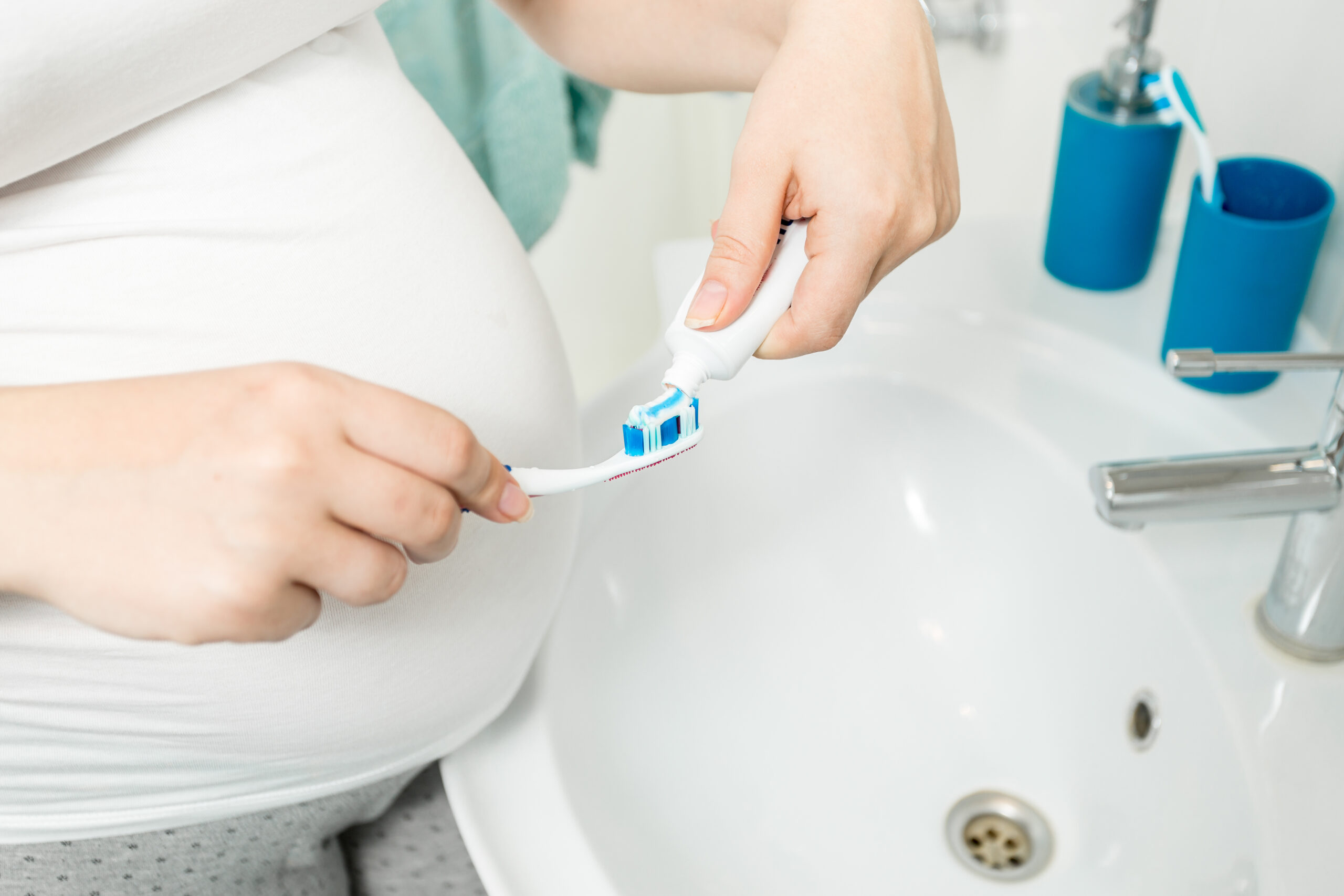
Tips for a Healthy Smile
- Brush twice a day with fluoride toothpaste
- Floss daily to remove food and plaque
- Eat healthy foods rich in calcium and vitamins.
- Visit your dentist for regular cleanings and check-ups.
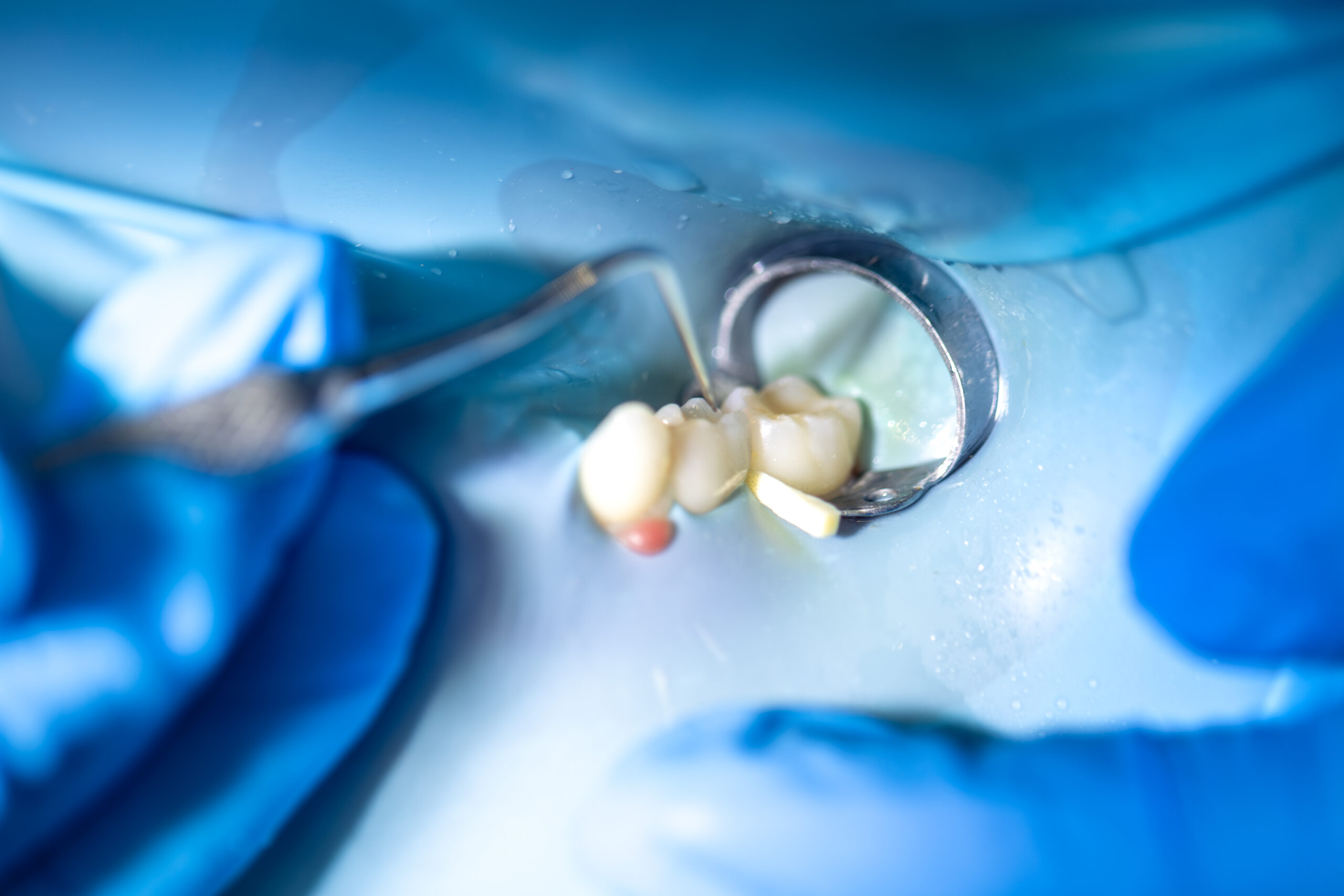
Wisdom Tooth Removal
Wisdom tooth removal is a safe and routine dental procedure designed to prevent pain, infection, and damage to surrounding teeth. When wisdom teeth do not have enough space to erupt properly, they can become impacted, causing swelling, discomfort, and oral health issues. Our experienced dental team ensures a gentle, precise procedure using modern techniques and anesthesia for maximum comfort. With clear post-treatment guidance and personalized care, we help you achieve a smooth recovery and long-term oral health.
What to Expect?
- Wisdom teeth are the last set of thirds molars that usually appear after 18 years.
- Sometimes due to lack of space they do not erupt in right direction, may lead to pain, swelling, or infection.
When Removal Is Needed?
Your dentist may recommend removing a wisdom tooth if you have:
- Pain or swelling in the back of your mouth
- Repeated infections or gum issues
- Tooth decay or food getting trapped easily
- Crowding of nearby teeth
- In some orthodontic (braces) cases.
What to Expect
The area is numbed with local anesthesia, so you won’t feel pain. The dentist gently removes the tooth, cleans the area, and stitches it if needed.
Aftercare Tips
- Bite on the gauze to control bleeding.
- Avoid hot, spicy, or hard foods for a few days
- Don’t use a straw or gargle and spit repeatedly within few hours of extraction.
- Rinse with warm salt water after 24 hours.
- Do mouth opening exercises incase of swelling and reduced mouth opening.
- visit dentist after 2 weeks for suture removal (if placed)
- Follow instructions of dentist for medications.
Mild swelling or discomfort is normal and usually subsides within a week. Follow your dentist’s instructions for a smooth recovery.
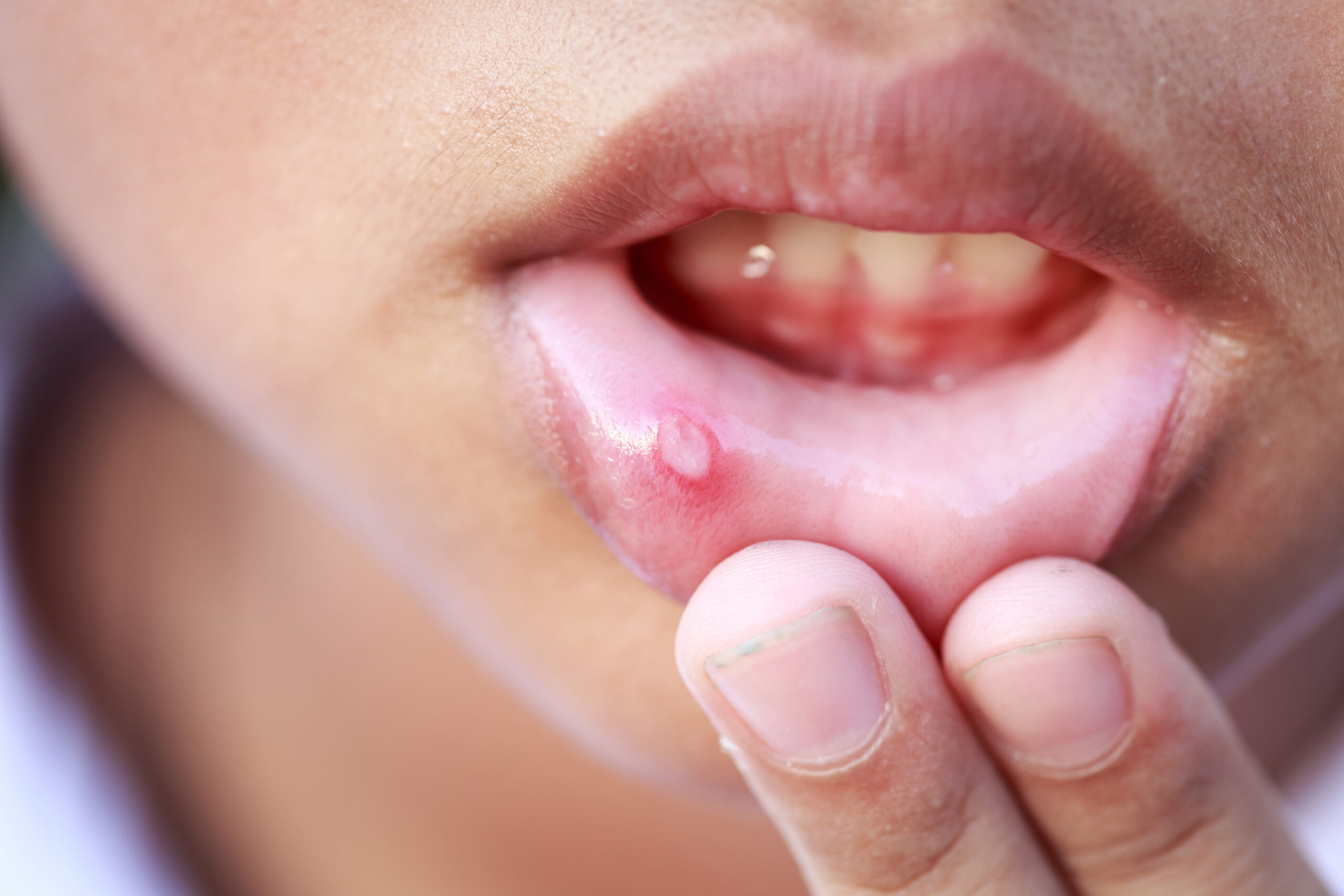
Mouth Ulcers
Causes and Care Tips
Mouth ulcers (also called canker sores) are small, painful sores that can appear on the tongue, inside of your cheeks, or lips. They’re common and usually heal within one to two weeks.
Common Causes
- Stress or lack of sleep
- Vitamin B12, folic acid, or iron deficiency
- Minor injuries from sharp teeth or braces
- Hormonal changes
- Certain spicy or acidic foods
How to Care for Ulcers?
- Avoid spicy, hot, or acidic foods.
- Rinse your mouth with salt water or an antiseptic mouthwash.
- Apply soothing gels recommended by your dentist.
- Stay hydrated and eat a balanced diet.
If your ulcers keep coming back or take longer than two weeks to heal, visit your dentist to rule out underlying causes.

The Right Way to Brush and Floss Your Teeth
Brushing and flossing may seem simple, but doing them correctly makes all the difference in keeping your teeth and gums healthy.
Brushing Tips
- Brush twice a day using a soft-bristled toothbrush
- Hold the brush at a 45° angle toward your gums
- Use gentle, circular motions — not harsh back-and-forth strokes
- Brush for at least 2 minutes
- Don’t forget your tongue
Flossing Tips
- Use about 18 inches of floss and wrap it around your fingers.
- Gently slide the floss between each tooth and curve it around the sides.
- Move it up and down to remove food and plaque.
Extra Tip
- Replace your toothbrush every 3 months or sooner if the bristles are worn out.
- Gargle your mouth after every meal.


Brushing and flossing the right way keeps your smile bright and prevents gum disease, cavities, and bad breath.
Root Canal Treatment
What It Is and When You Need It?
A root canal is a treatment used to save a tooth when the inside of it (the pulp) becomes infected or severely decayed. Instead of removing the tooth, the infected part is cleaned and sealed — so you can keep your natural tooth.
When Do You Need a Root Canal?
You may need a root canal if you have
- Sharp or lingering tooth pain
- Pain while chewing
- Sensitivity to hot or cold that lasts
- Swelling around the tooth
- A deep cavity or cracked tooth
What Happens During the Procedure?
- The tooth is numbed (so you are comfortable)
- The dentist removes the infected tissues.
- The inside of the tooth is cleaned and disinfected.
- The tooth is filled and sealed.
- A crown is usually placed later to protect the tooth.
Does a Root Canal Hurt?
No — most patients say it feels similar to getting a filling. Modern anesthesia makes the procedure comfortable.
Why Saving the Tooth Matters?
Keeping your natural tooth helps:
- Maintain your chewing strength
- Prevent drifting of nearby teeth
- Preserve your natural smile and facial aesthetics.
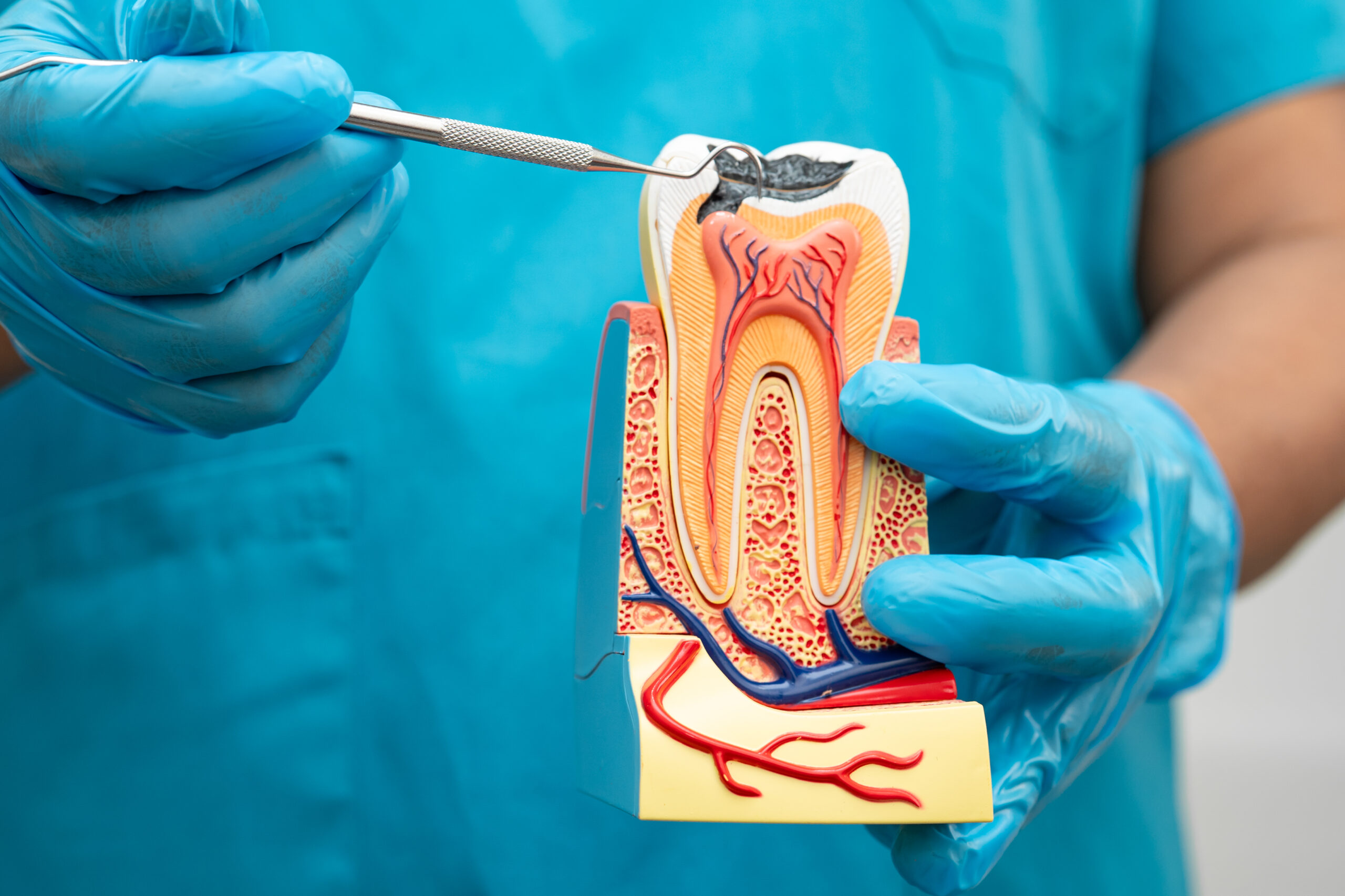
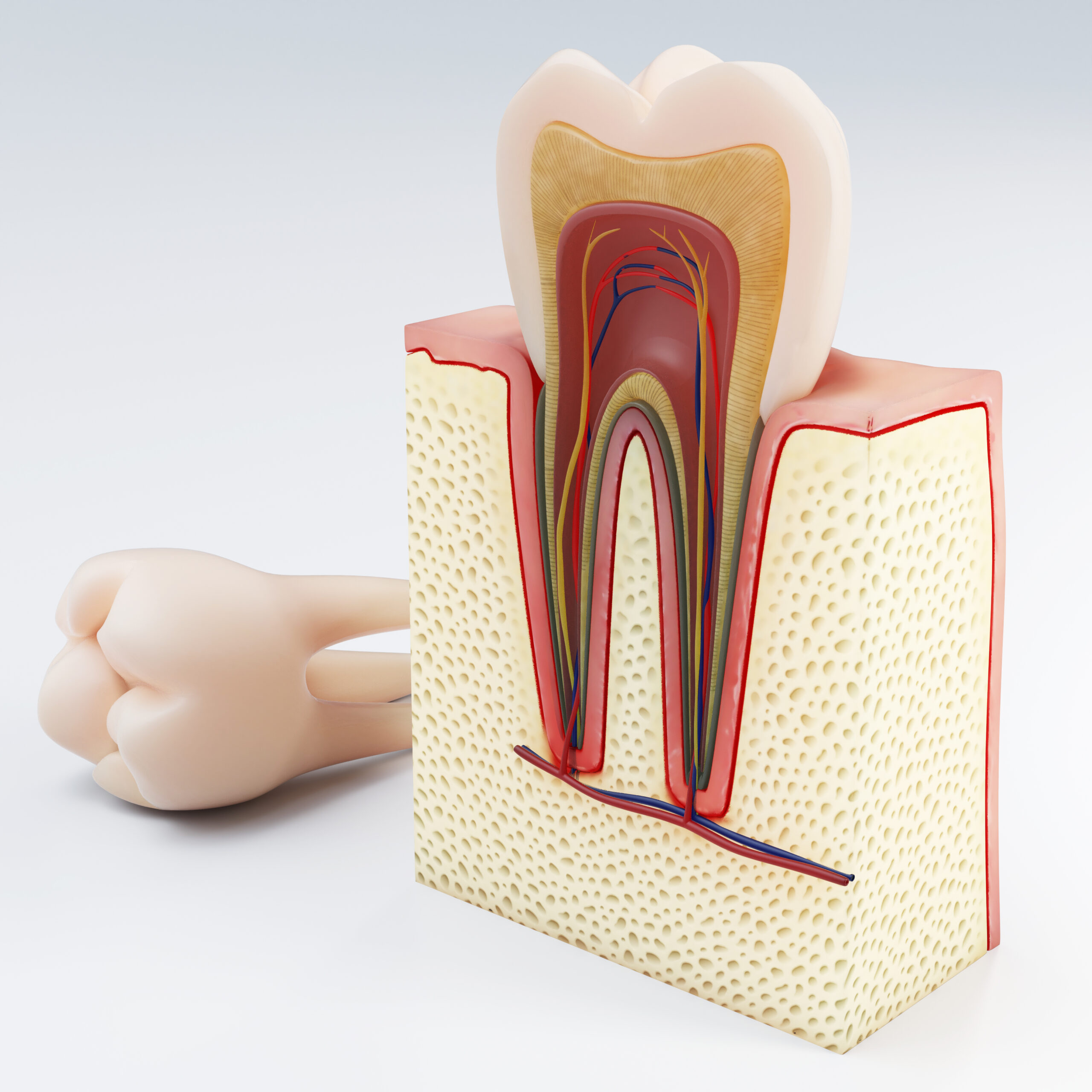
A root canal stops pain and infection — while keeping your tooth healthy and strong.
Tooth Decay
Causes, Symptoms, and Prevention
Tooth decay (cavities) happens when bacteria in the mouth break down sugars from food and produce acids that harm the enamel. If untreated, decay can progress deeper and cause pain, infection, and even tooth loss.
Common Causes
- Not brushing or flossing regularly
- Frequent snacking, especially sugary or sticky foods
- Poor oral hygiene habits
- Dry mouth
- Deep grooves in teeth where food gets stuck
Signs of Tooth Decay
- Sensitivity to hot, cold, or sweet foods
- Pain while chewing
- Visible holes or dark spots on teeth
- Food getting stuck in one area frequently
Treatment Options
- Small cavities: treated with simple fillings
- Deep decay: may require a root canal
- Very damaged teeth: may need a root canal with crown or extraction
How to Prevent Tooth Decay?
- Brush twice a day with fluoride toothpaste
- Floss daily to remove food between teeth
- Limit sugary snacks and carbonated drinks
- Drink plenty of water
- Visit your dentist every 6 months for check-up
Taking care of your teeth daily can prevent cavities and keep your smile healthy for life.